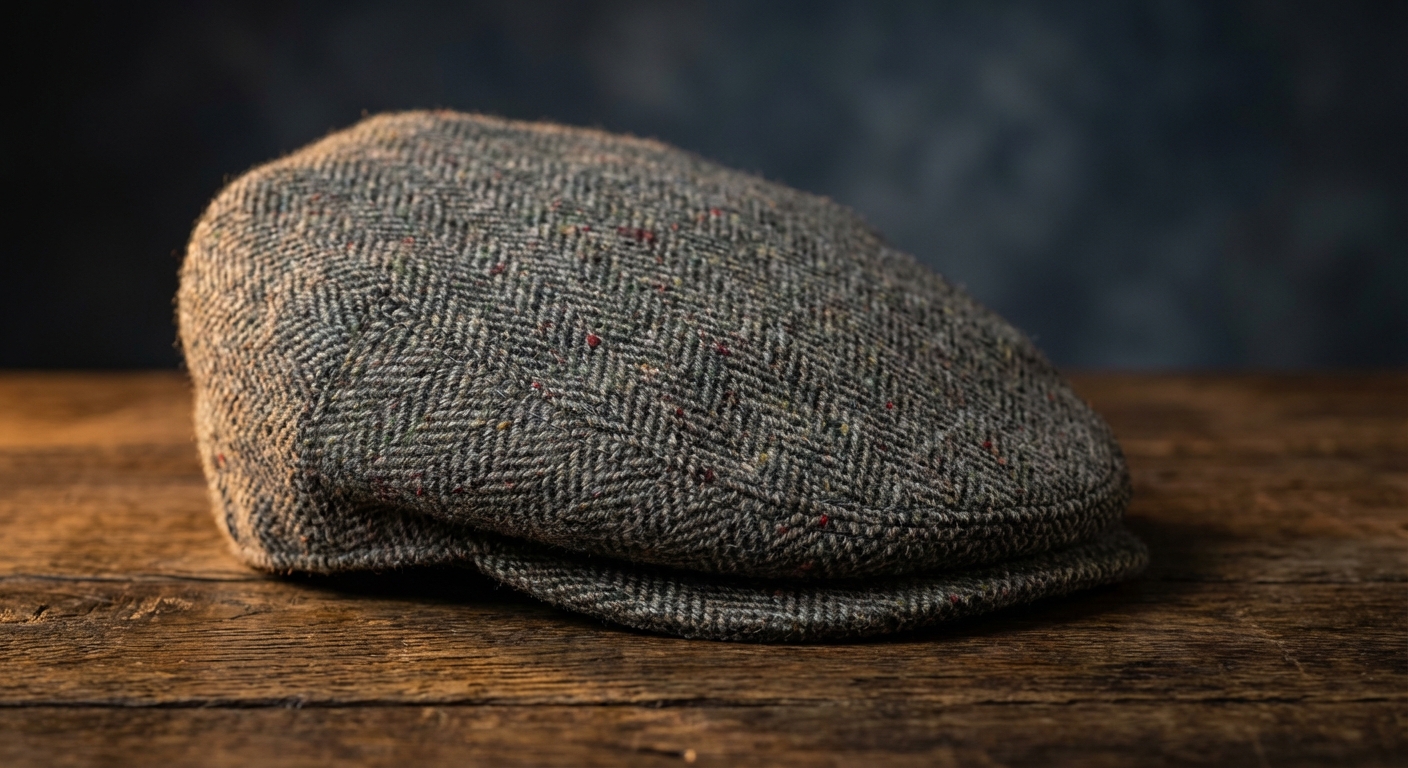
Vintage classical Irish flat cap
Est. 1571

The History of the Flat Cap

From Tudor sumptuary laws to modern fashion icon — the remarkable 500-year journey of the working man's crown

Discover
01 — Origins

A Hat Born of Law

The flat cap's history stretches back over 500 years, making it one of the most enduring pieces of headwear in Western fashion.

Its origins are uniquely tied to English law and social class distinctions that shaped clothing for centuries. What began as mandated attire became a symbol of working-class pride that transcended its humble beginnings.


Dramatic Irish countryside landscape with rolling green hills The hills of Ireland — where flat cap heritage runs deep
02 — Timeline

Five Centuries of Heritage

Tracing the evolution from legal requirement to fashion statement

1571

The Cap Act

English Parliament passes an act requiring all males over six years of age, except nobility and persons of degree, to wear woolen caps on Sundays and holidays. This was designed to boost the domestic wool trade and clearly distinguish social classes.

1597

Repeal & Cultural Adoption

The cap act is repealed after 26 years, but by this time the flat cap had become deeply embedded in working-class culture, particularly in northern England and Ireland.

1700s

Working Class Identity

The flat cap becomes synonymous with working-class identity across Britain and Ireland. Farmers, laborers, factory workers, and tradesmen all adopt variations of the style.

1880s

Atlantic Crossing

The cap crosses the Atlantic with Irish and British immigrants, becoming popular in American urban centers, particularly among newsboys — earning the variant name "newsboy cap."

1920s

Golden Era

The flat cap reaches peak popularity, worn by everyone from dock workers to jazz musicians. In Ireland, it becomes virtually universal among rural men.

Present

Fashion Renaissance

The flat cap enjoys a dramatic revival, embraced by celebrities, fashion designers, and a new generation appreciating its heritage and timeless style.

03 — Heritage

The Irish Connection

The Paddy Cap

In Ireland, the flat cap is often called the "Paddy cap" or simply the "flat cap". It became so associated with Irish identity that it's sometimes called the "Irish flat cap" internationally.

The relationship between Ireland and the flat cap runs deep. During the Great Famine (1845-1852) and subsequent waves of emigration, Irish immigrants brought the cap with them to America, Australia, and beyond.

The cap became a symbol of Irish working-class resilience and identity in diaspora communities worldwide. Irish tweed, particularly from Donegal, became the preferred material for quality flat caps.

Cliffs of Moher on the Wild Atlantic Way The Wild Atlantic Way — rugged Irish coastal heritage

You could tell an Irishman anywhere in the world by his flat cap and his way of wearing it — slightly tilted, with quiet dignity.

— Traditional Irish Saying
04 — Craftsmanship

Materials & Construction

A quality flat cap is more than just a piece of cloth — it's a carefully constructed garment with specific components unchanged for centuries.

🐑

Wool Tweed

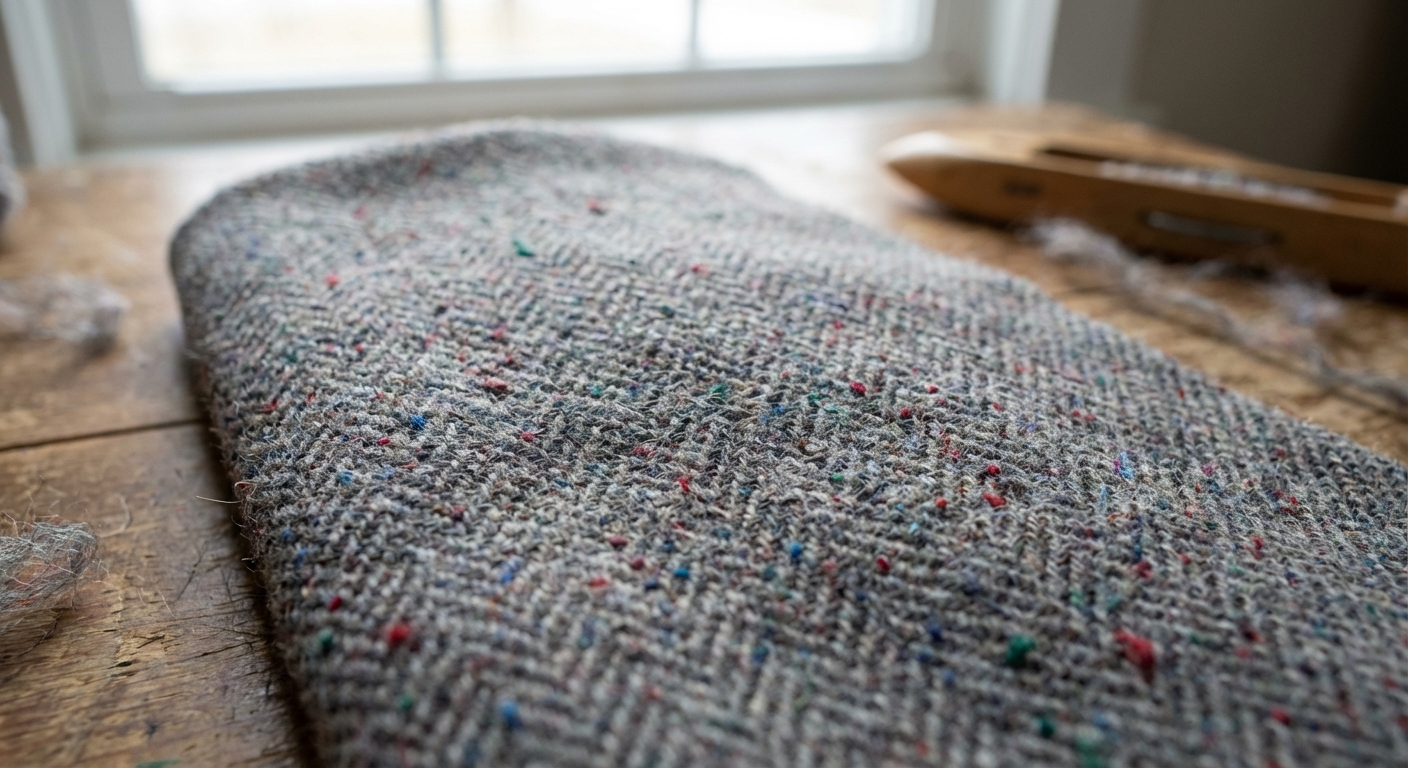
The traditional choice. Donegal and Harris tweeds are prized for durability and weather resistance.

🧵

Linen

Popular for summer caps, especially in Ireland where linen production has deep historical roots.

🌾

Cotton

A lighter alternative for warm weather, often used in modern casual styles.

🎩

Leather

For the peak providing structure. The body is sometimes leather in modern designs.

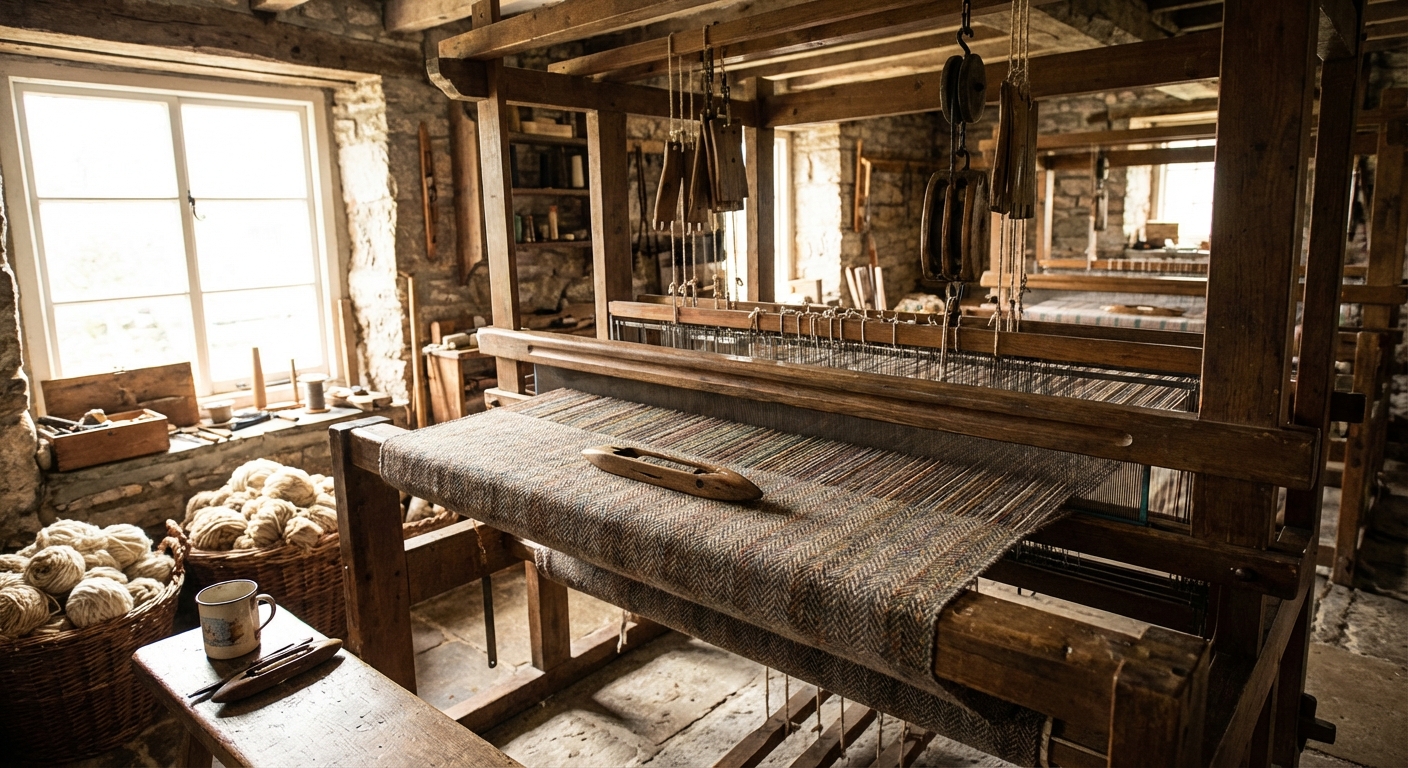
Traditional Irish wool weaving loom

Anatomy of a Flat Cap

The classic flat cap consists of a rounded crown sewn to a stiff peak (also called a brim or bill). The crown is typically made from multiple panels — traditionally eight — sewn together and often lined with silk or cotton.

A button at the crown's center is traditional, though not universal. The sweatband inside helps absorb moisture and ensures a comfortable fit. Quality caps feature hand-stitched details that machine production cannot replicate.

05 — Styles

Flat Cap vs. Newsboy

While often confused, these are distinct styles with different origins

The Flat Cap

A low-profile cap with a single piece of fabric forming the crown. It sits close to the head with a neat, streamlined appearance. This is the traditional Irish and British style, also known as the Paddy cap or ivy cap.

The Newsboy Cap

A fuller, rounder cap with eight panels meeting at a button on top. It has more volume and a puffier appearance. This style became associated with American newspaper sellers in the early 20th century, earning the name "Gatsby cap."

06 — Did You Know

Flat Cap Facts

🇮🇹

The flat cap is called "coppola" in Sicily, where it was introduced by English merchants in the 19th century

🎬

The Peaky Blinders TV series sparked a massive revival in flat cap popularity since its debut in 2013

Golf legend Ben Hogan made the flat cap famous in American sports during the 1940s-50s

The cap was traditionally removed only when entering a church or someone's home

👪

Flat caps were often passed down through generations as treasured family heirlooms

📜

The term "flat cap" first appeared in print around 1580, just nine years after the Cap Act

07 — Gallery

The Cap in Culture

08 — Legacy

Cultural Significance

The flat cap transcends mere fashion — it carries deep cultural meaning across multiple societies.

Symbol of the Working Class

For centuries, the flat cap distinguished workers from the top-hatted upper classes. It became a badge of honest labor and working-class pride.

Irish Identity

In Ireland, the flat cap became intertwined with national identity during the struggle for independence. It represented the common man, rural life, and traditional values.

Modern Revival

Today's flat cap wearers range from hipsters rediscovering heritage style to elderly gentlemen who never stopped wearing them. The cap has achieved that rare status: simultaneously traditional and fashionable.

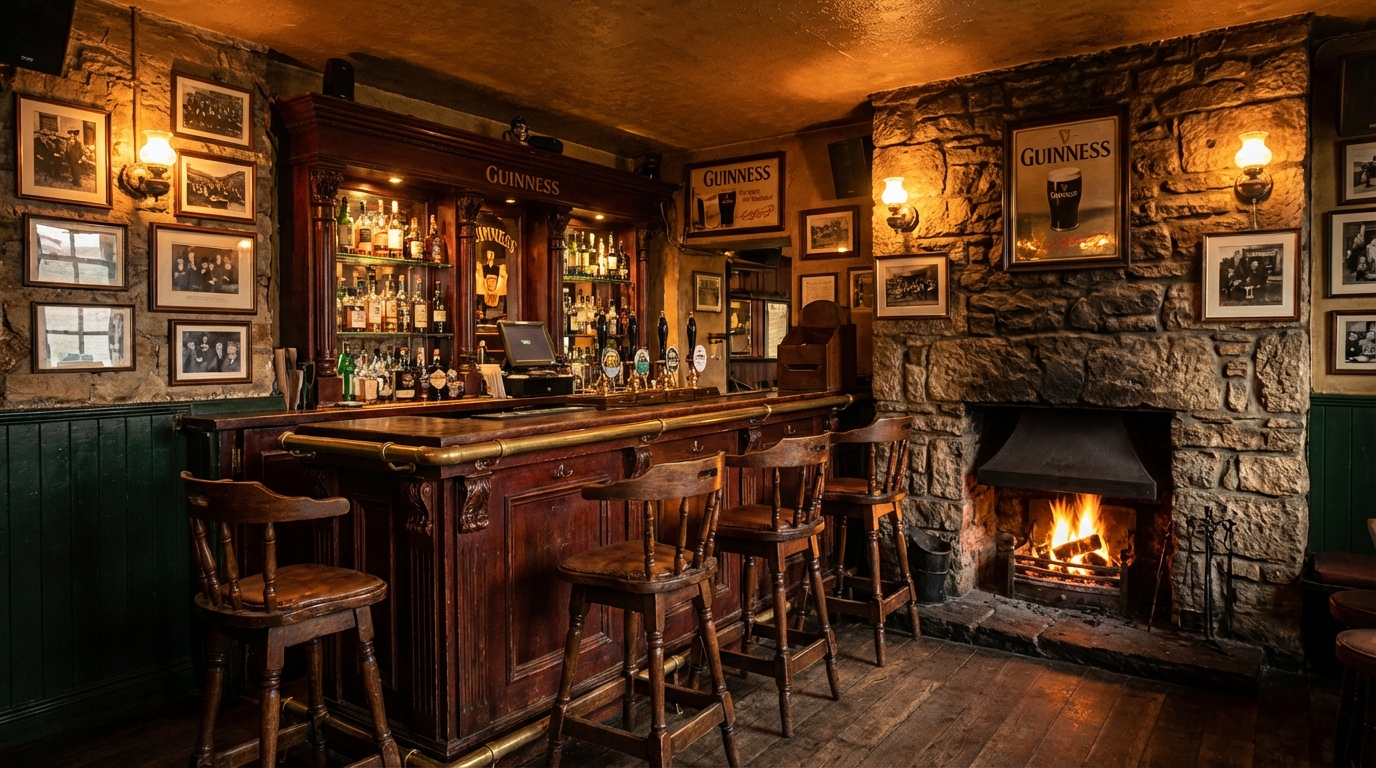
Traditional Irish pub interior Timeless Irish heritage — where traditions endure

The Flat Cap Today

From its origins as legally mandated headwear for English commoners to its current status as a fashion statement, the flat cap has completed a remarkable journey. Its endurance speaks to something fundamental about good design: simplicity, functionality, and a quiet dignity that transcends class and era.

Back to Portal